Bouillabaisse: A Provençal Fish Stew with Flair
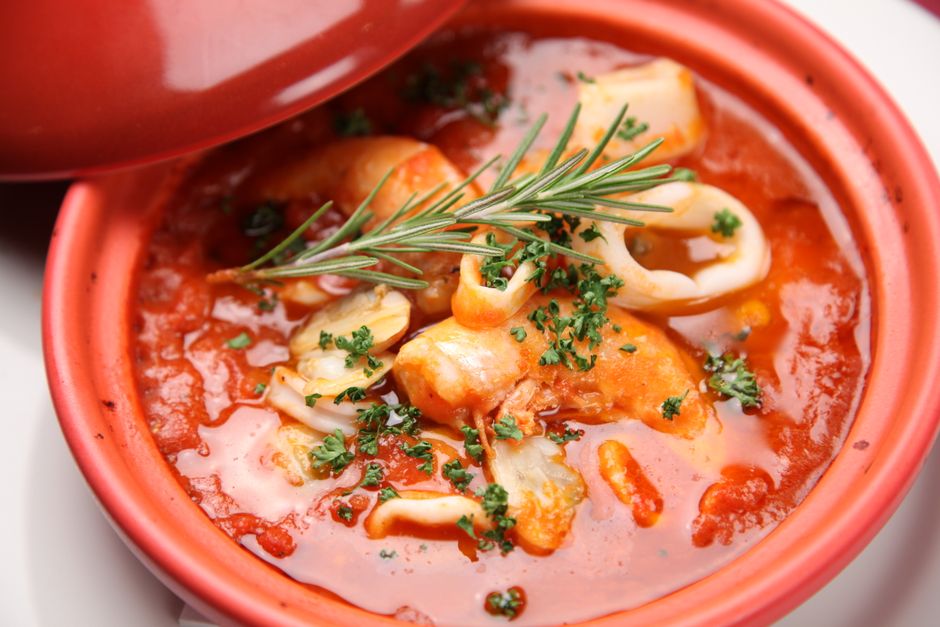
Bouillabaisse is a celebrated dish that originates from the port city of Marseille in the south of France. This traditional Provençal fish stew is known for its rich, aromatic broth infused with saffron, garlic, and a variety of Mediterranean herbs. It is a dish that reflects the maritime heritage of the region, combining an assortment of fish and seafood in a flavorful, rustic preparation.
In this article, we will explore the essential elements of bouillabaisse, from selecting the right fish and seafood to understanding the traditional serving methods. We will also discuss the cultural significance of this iconic stew and how to approach its preparation with respect for its origins. Whether you are a home cook or a culinary enthusiast, this guide aims to provide practical insights into creating and enjoying bouillabaisse.
Understanding Bouillabaisse: Origins and Ingredients
Bouillabaisse has a history that is deeply intertwined with the fishing communities of Marseille. Originally, it was a humble meal prepared by fishermen using the bony rockfish that were not suitable for selling. The fish were cooked in a broth made from water, tomatoes, garlic, and saffron, which was readily available due to the port’s spice trade. Over time, this simple stew evolved into a refined dish that is now a symbol of Provençal cuisine.
The core of a traditional bouillabaisse lies in its selection of fish. Typically, it includes a variety of white fish such as sea bass, monkfish, and red mullet, along with shellfish like mussels and crab. The broth is enhanced with leeks, onions, celery, and fennel, giving it a distinct anise aroma. Saffron is the defining spice, providing both color and a subtle earthy flavor. Additionally, a bouquet garni of thyme, bay leaf, and orange peel adds complexity to the stock.
When choosing fish for bouillabaisse, it is important to select a mix of firm and flaky fish that can withstand simmering without falling apart. The fish should be fresh, ideally from a local fish market, to ensure the best flavor. It is also common to include some oily fish like mackerel or sardines to enrich the broth. The choice of fish can vary, but the key is to use a variety that offers both taste and texture.
Selecting the Right Fish and Seafood
The selection of fish and seafood is crucial for an authentic bouillabaisse. In Marseille, the traditional mix includes rascasse (scorpionfish), which is considered essential, along with other white fish like conger eel and whiting. In the United States, rascasse may be difficult to find, so a suitable substitute is a firm white fish such as grouper or snapper. The goal is to have a combination of fish that will cook evenly and contribute to a rich, gelatinous broth.
When purchasing fish, look for clear eyes, bright red gills, and a fresh sea scent. Whole fish often provide more flavor for the broth, and the heads and bones can be used to make a stock. Shellfish such as mussels and clams are also common additions, adding a briny sweetness. They should be tightly closed when raw and discarded if any remain open after cooking. Crab or langoustine can be included for a more festive presentation.
It is also important to consider the sustainability of the fish. Many species used in bouillabaisse are overfished, so it is wise to opt for responsibly sourced alternatives. Consulting your fishmonger or local seafood guide can help you make choices that are both delicious and environmentally conscious.
Preparing the Broth: The Soul of the Stew
The broth is what distinguishes a good bouillabaisse from a great one. It begins with a base of sautéed leeks, onions, and fennel in olive oil. Garlic is added, along with tomatoes and a pinch of saffron threads that have been lightly toasted to release their aroma. The mixture is deglazed with white wine, and then fish stock or water is added to create the liquid base. Fresh herbs like thyme, bay leaf, and a strip of orange zest are tied into a bouquet garni and simmered to infuse the broth.
The broth should be simmered gently for at least 30 minutes to allow the flavors to meld. Some recipes call for straining the broth to achieve a smooth texture, while others leave the vegetables in for a more rustic feel. The traditional method involves boiling the fish separately in the broth, but the essential point is that the fish is cooked just before serving to retain its moisture and flavor.
For a richer broth, fish heads and bones can be added to the stock. They are typically simmered for a longer period, then strained and discarded. This step adds depth and a gelatinous body to the liquid, which is characteristic of an authentic bouillabaisse.
Serving Bouillabaisse: Traditional Practices
Serving bouillabaisse is a ritual in itself. In Marseille, it is presented in two courses: first, the broth is served alone with slices of toasted bread spread with rouille, a spicy garlic and saffron mayonnaise. Then, the fish and seafood are served separately, arranged on a platter. This two-part presentation allows diners to savor the aromatic broth first, then enjoy the fish.
Alternatively, a simpler approach is to serve the stew as a one-pot dish with the broth and fish together in a large tureen. Thick slices of rustic bread, ideally day-old, are placed in each bowl, and the stew is ladled over them. A spoonful of rouille is added, and the bread soaks up the flavorful liquid.
Accompaniments often include boiled potatoes, which are sometimes cooked in the same broth. The key is to have a side that can absorb the rich sauce. A dry white wine, such as a white from Provence, pairs well along with a green salad to provide contrast.
Cultural Significance and Modern Adaptations
Bouillabaisse holds a special place in French culinary culture. It is more than just a recipe; it is a symbol of Marseille’s identity and a testament to the resourcefulness of its people. In 1980, the French government established the Bouillabaisse Charter in an attempt to define the dish’s authentic ingredients, though interpretations vary.
In the United States, bouillabaisse has been adapted to local palates and available ingredients. Chefs often incorporate a variety of seafood, such as shrimp, scallops, or even lobster, alongside the traditional fish. While these variations may deviate from the strict definition, they offer a way to enjoy the spirit of the dish in a new context.
Understanding the cultural background can enhance one’s appreciation of the stew. It is a dish that celebrates the coastal environment and the simple act of gathering around a table to share a hearty meal. Whether enjoyed in a rustic bistro in La Provence or prepared in a home kitchen in the US, bouillabaisse remains a testament to the art of slow cooking and fresh ingredients.